

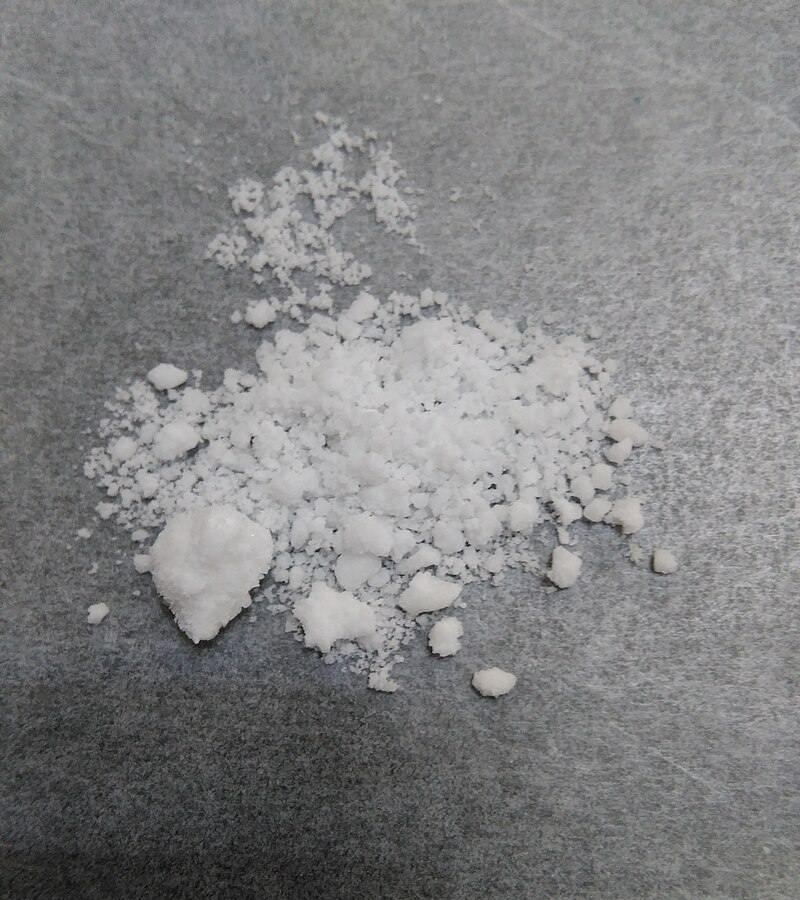

O-PCP
Price range: €160.00 through €4,420.00
Technical Information:
Product Name: O-PCP
Other Name(s): 2-Keto-PCP, O-PCP HCL
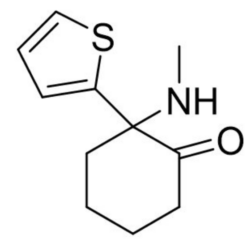
IUPAC Name: 2-phenyl-2-piperidin-1-ylcyclohexan-1-one
CAS: 101688-16-8
Molar Mass: 257.37 g/mol
Molecular Formula: C17H23NO
InChi Code: InChI=1S/C17H23NO/c19-16-11-5-6-12-17(16,15-9-3-1-4-10-15)18-13-7-2-8-14-18/h1,3-4,9-10H,2,5-8,11-14H2
InChIKey: NVKXODIIEPKREY-UHFFFAOYSA-N
Canonical SMILES: C1CCN(CC1)C2(CCCCC2=O)C3=CC=CC=C3
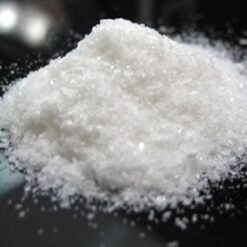
Formulation: A crystals
O-PCP: Effects, Risks & Research Overview
What Is O-PCP?
O-PCP( 2-Keto-PCP) is a dissociative drug of the arylcyclohexylamine class, an analog of ketamine and phencyclidine, with similar effects. This drug has a dissociative and, to a greater extent, sedative effect. O-PCP (often referred to as a derivative of phencyclidine-type compounds) is discussed in analytical and pharmacological research, particularly in studies exploring perception, cognition, and neural signaling. It is typically examined for its interaction with NMDA receptors, which are essential for brain communication and sensory processing.
How It Works
NMDA Receptor Activity
O-PCP is believed to influence:
- Sensory perception and awareness
- Cognitive processing pathways
- Neural signal transmission
Its mechanism aligns with other dissociative compounds, though comprehensive data remains limited.
Risks & Safety Considerations
Key Concerns
Potential risks may include:
- Dissociation and altered perception
- Impaired coordination and cognition
- Psychological distress or confusion
- Unknown long-term neurological effects
Researchers emphasize that limited data and variability increase uncertainty.
Legal & Regulatory Status
O-PCP may be restricted or prohibited in many regions. Always verify local laws and research compliance requirements.
Frequently Asked Questions (FAQ)
Is O-PCP approved for use?
No, it is not approved for medical or consumer use.
Is it safe?
Its safety profile is not well established due to limited research.
What is it used for?
Primarily referenced in research and analytical contexts.
Can it be used outside research settings?
No, it is not intended for general or unsupervised use.
| Quantity | 10 g, 25 g, 50 g, 100 g, 250 g, 500 g, 1kg |
|---|
Be the first to review “O-PCP”
Related products









Reviews
There are no reviews yet.