

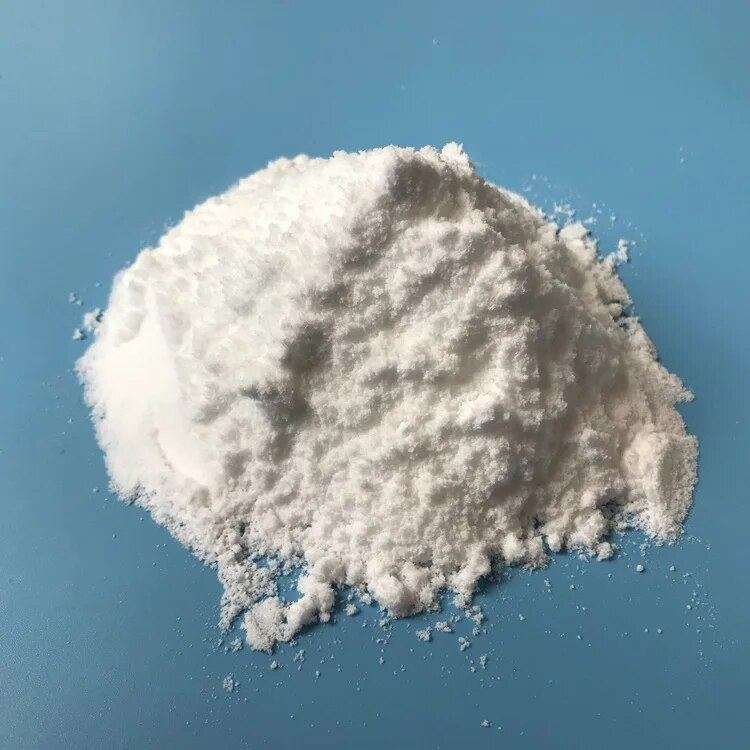
4-MAB
Price range: €110.00 through €2,700.00
Technical Information:
Product Name: 4-MAB
Other Name(s): Adamancaine HCl, 4-(methylamino)adamantan-1-yl benzoate hydrochloride, 4-MAB
IUPAC Name: [4-(methylamino)-1-adamantyl] benzoate;hydrochloride
CAS:
Molar Mass: 321.8 g/mol
Molecular Formula: C18H24NO2, C18H24ClNO2
InChi Code: InChI=1/C18H23NO2.ClH/c1-19-16-14-7-12-8-15(16)11-18(9-12,10-14)21-17(20)13-5-3-2-4-6-13;/h2-6,12,14-16,19H,7-11H2,1H3;1H
InChIKey: YDWGHFCTYMBQCP-UHFFFAOYNA-N
Canonical SMILES: Cl.CNC1C2CC3CC1CC(C3)(C2)OC(=O)C1=CC=CC=C1
Formulation: A crystalline solid
NMR 4-MAB
4-MAB: Effects, Risks & Research Overview
What Is 4-MAB?
4-MAB ( adamancaine HCl, 4-(methylamino)adamantan-1-yl benzoate hydrochloride, 4-MAB) is a synthetic analog of tropacocaine, cocaine and procaine, which has a related structure and similar effects. According to studies and tests on mice of this substance, it was found that 4-MAB(adamancaine HCl) causes such effects as stimulation, improved communication with others, and concentration of attention. 4-MAB is a compound discussed in analytical and pharmacological research, often examined for its potential influence on central nervous system stimulation and neurotransmitter activity. It is structurally related to substances studied for their effects on energy levels, mood, and cognitive function.
How It Works
Neurotransmitter Interaction
4-MAB is believed to affect:
- Dopamine and norepinephrine pathways
- Alertness and stimulation responses
- Cognitive and behavioral signaling
Due to limited research, its full mechanism of action remains unclear, making it an area of ongoing study.
Risks & Safety Considerations
Key Concerns
Potential risks may include:
- Increased heart rate and blood pressure
- Anxiety or overstimulation
- Dependence potential
- Limited long-term safety data
Researchers emphasize that unregulated compounds can vary in purity and effect.
Legal & Regulatory Status
4-MAB may be restricted or controlled depending on jurisdiction. Always verify local laws and research compliance requirements.
Frequently Asked Questions (FAQ)
Is 4-MAB approved for use?
No, it is not approved for medical or consumer use.
Is it safe?
Its safety profile is not well established due to limited research.
What is it used for?
Primarily referenced in research and analytical contexts.
Can it be used outside research settings?
No, it is not intended for general or unsupervised use.
| Quantity | 10 g, 25 g, 50 g, 100 g, 250 g, 500 g, 1kg |
|---|
Be the first to review “4-MAB”
Related products




Reviews
There are no reviews yet.