
Blogs
Top 7 Peptides for Muscle Growth (Science-Based)
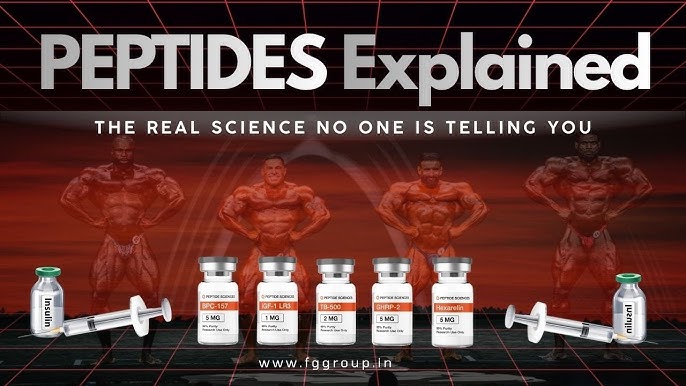
Mar
Introduction: Why Peptides Are Gaining Attention
Walk into any serious gym today and you’ll hear the same conversation: “How do I build lean muscle faster without burning out?”
That question has led many athletes and fitness enthusiasts to explore peptides. Unlike traditional compounds, peptides work as targeted signaling molecules, helping the body optimize processes like recovery, protein synthesis, and hormone release.
This guide breaks down the top 7 peptides for muscle growth, based on scientific interest and real-world discussion.
How Peptides Support Muscle Growth
The Science Behind It
Peptides don’t force muscle growth—they signal your body to respond. This can involve:
- Increased growth hormone signaling
- Improved recovery cycles
- Enhanced protein synthesis
- Better sleep and repair processes
Think of peptides like a system upgrade—they don’t replace the engine, but they may help it run more efficiently.
Top 7 Peptides for Muscle Growth
1. CJC-1295
Why It’s Popular
CJC-1295 is widely studied for its ability to stimulate growth hormone pathways.
Research Focus
- Muscle recovery
- Lean mass support
- Hormonal signaling
2. Ipamorelin
Clean Growth Hormone Support
Often paired with CJC-1295, Ipamorelin is known for its targeted action.
Key Benefits Studied
- Recovery improvement
- Muscle repair
- Minimal impact on other hormones
3. BPC-157
Recovery-Focused Peptide
While not directly linked to muscle growth, BPC-157 is studied for recovery.
Why It Matters
- Faster injury recovery
- Tissue repair
- Training consistency
4. TB-500
Mobility and Repair
TB-500 is researched for its role in cell migration and healing.
Research Highlights
- Muscle recovery
- Flexibility support
- Reduced downtime
5. MK-677
Oral Growth Hormone Support
MK-677 is often discussed alongside peptides for its similar pathway effects.
Studied Effects
- Increased appetite
- Improved sleep
- Enhanced recovery
6. Follistatin 344
Muscle Growth Regulator
Follistatin is studied for its interaction with myostatin, a protein that limits muscle growth.
Why It’s Unique
- May support muscle development pathways
- Explored in advanced research
7. IGF-1 LR3
Direct Muscle Signaling
IGF-1 LR3 is researched for its role in cell growth and repair.
Potential Research Areas
- Muscle cell proliferation
- Recovery enhancement
- Tissue growth signaling
Real-World Insight
A lifter once said:
“I didn’t realize how important recovery was until I hit a plateau. Training harder didn’t help—recovering better did.”
That’s where peptides often enter the conversation—not as shortcuts, but as tools to support recovery and consistency.
Important Considerations
Not a Replacement for Basics
Peptides won’t work without:
- structured training
- proper nutrition
- adequate sleep
Quality Matters
If you’re researching peptides, always prioritize:
- lab-tested purity
- transparent sourcing
- proper storage
Final Thoughts
The interest in peptides for muscle growth continues to grow because they target how the body builds and repairs muscle, not just the outcome.
The top peptides listed above are widely discussed in scientific and fitness communities, but the real driver of progress remains simple:
Consistency over time.
FAQs
What is the best peptide for muscle growth?
Compounds like CJC-1295 and Ipamorelin are among the most commonly researched.
Do peptides build muscle fast?
They may support muscle growth processes, but results depend on training, diet, and recovery.
Are peptides better than steroids?
They work differently. Peptides focus on signaling pathways, while steroids directly alter hormone levels.
Can beginners use peptides?
Beginners should first focus on fundamentals like training and nutrition before exploring advanced options.
How long before results appear?
It varies. Consistency in lifestyle habits plays the biggest role in outcomes.
